Manufacturers
Solid Crafts
Hand Crocheted & Knitting
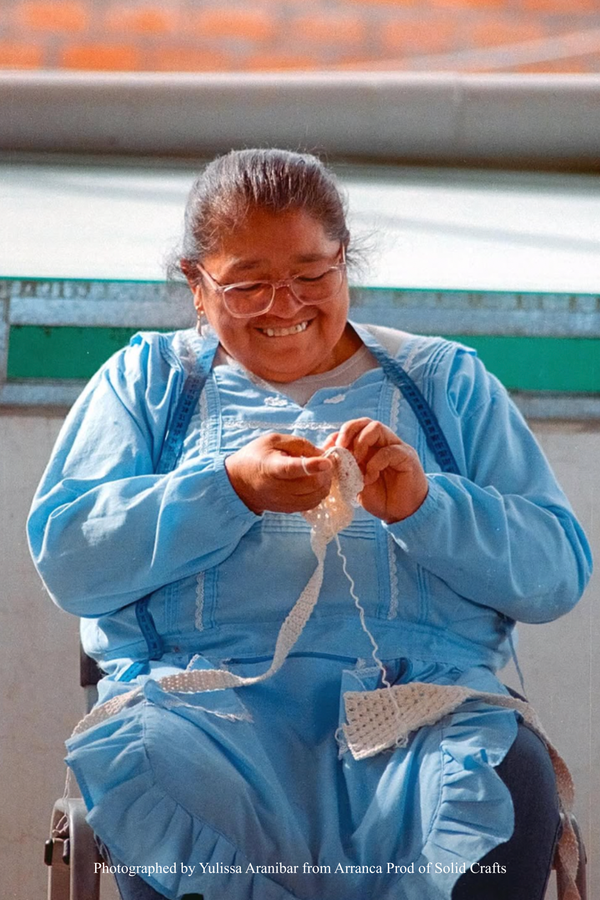
We are honoured to work with Crafts By Solid to bring forwards our Hand Crocheted & Knitted styles. Operating in Ayacucho Peru, Crafts By Solid works with talented Peruvian Artisans to preserve traditions, create financial stability and advocate for slower fashion models.
Creation Collective
Cut & Sew
Our cut & sew pieces are hand sewn in Melbourne Australia, using our 100% Hemp & 100% organic cotton thread. The team is small but talented & dedicated to a more positive future for the fashion industry.
Solid Crafts
Styles Made: Hand Crocheted Shorts, Hand Knitted Dress, Hand Crocheted Headbands
Certifications: Guaranteed Fair Trade
Creation Collective
Styles Made: Garden Scene Tee, Contrast Stitched Robe
Certifications: N/A
Textile Producers
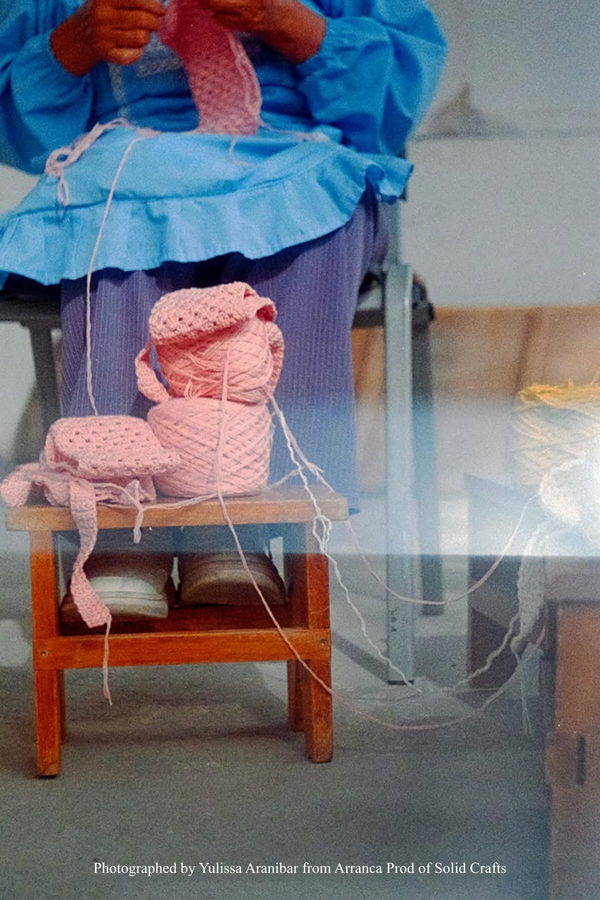
Bergman Rivera
Organic Cotton Yarn
Leading producers of organic cotton in Peru
Creditex & Coretextile
Spinning & intermediate buyers
Working closely with Bergman Rivera to continue production of GOTS certified organic cotton textiles.
Hemp Gallery Australia
Hemp Supplier
Wholesaler of 100% Hemp sourced from Northern China - based in Sydney Australia
Bergman Rivera
Styles Made: Hand Crocheted Shorts, Hand Knitted Dress, Hand Crocheted Headbands
Certifications: Fair Trade, Global Organic Textile Standard, B Corp
Creditex & Coretextile
Styles Made: Hand Crocheted Shorts, Hand Knitted Dress, Hand Crocheted Headbands
Certifications: Global Organic Textile Standard
Hemp Gallery Australia
Styles Made: Contrast Stitched Robe, Garden Scene Tee
Certifications: N/A
Dye & Ink Suppliers
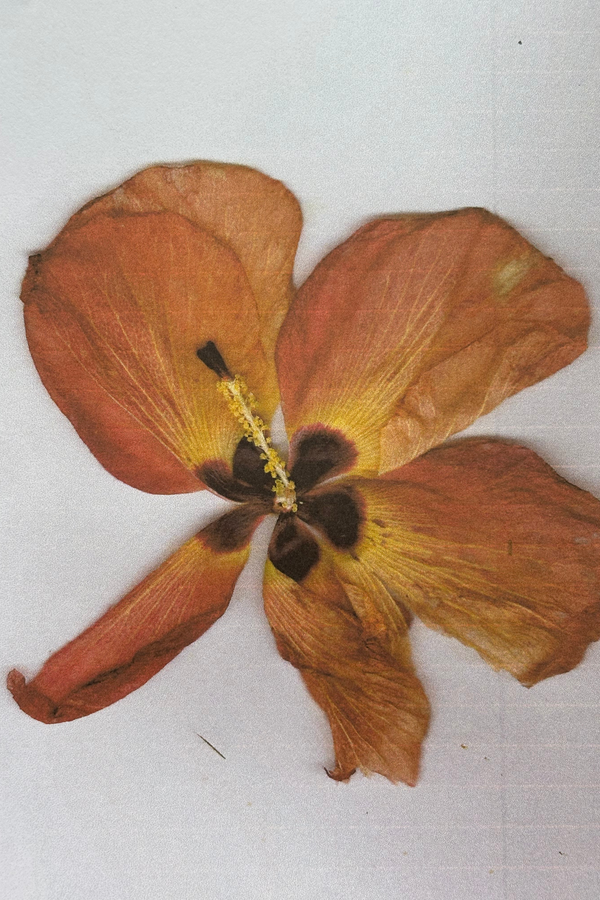
Pichinku Fibres
Botanical Dyes
A small team of 4, batch dyers using seasonally foraged botanical plants & flowers
Innobella Inks
Waterbased Direct To Garment Dye Manufacturers
For the printing of our cut and sew pieces
Nine Lives Printing Co
Direct to Garment Printer
A small one man show based in Sydney Australia’s Northern Beaches
Pichinku Fibres
Styles Made: Hand Crocheted Shorts, Hand Knitted Dress, Hand Crocheted Headbands
Certifications: N/A
Innobella Inks
Styles Made: Garden Scene Tee, Contrast Stitched Robe
Certifications: OEKO-TEX
Nine Lives Printing Co
Styles Made: Contrast Stitched Robe, Garden Scene Tee
Certifications: N/A
Haberdasheries & Finishes
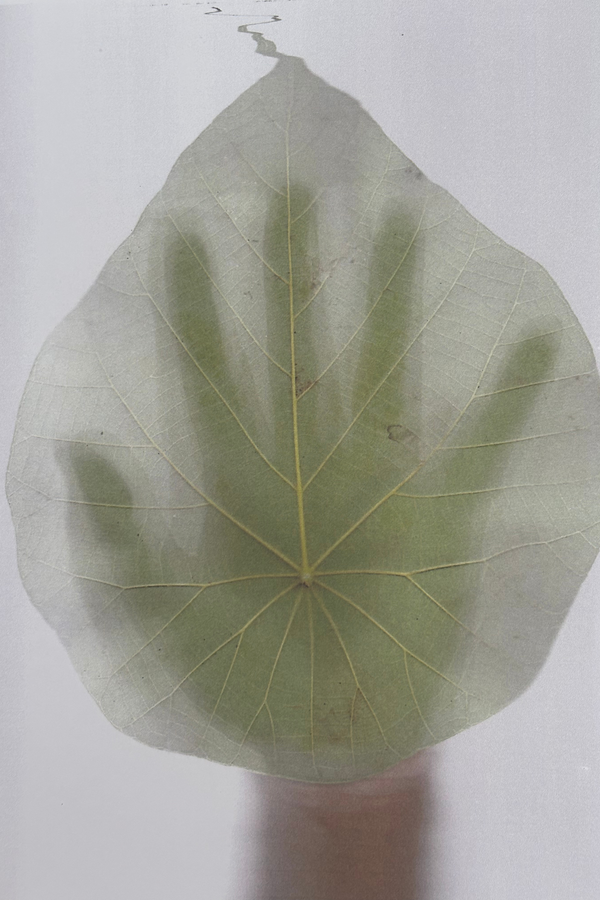
Scanfil & SewPure
Organic Cotton Threads
Producing the threads we have used for production, utilising 100% organic cotton
James Tailoring UK
Natural Rubber Elastic
Based in the UK, providing our organic cotton x natural tree rubber elastic
Organic Cotton Colors
Care Labels
Based in Spain, working with organic cotton farmers to produce woven textiles. We utilised dead stock fabric from this company and had our care labels made by a freelancer in Sydney Australia.
Scanfil & SewPure
Styles Made: Care labels, Garden Scene Tee, Contrast Stitched Robe
Certifications: GOTS ( Global Organic Textile Standard )
James Tailoring UK
Styles Made: Hand Crocheted Shorts
Certifications: OEKO-TEX made in Green
Organic Cotton Colors
Styles Made: Care Labels
Certifications: Global Organic Textile Standard, Bcorp
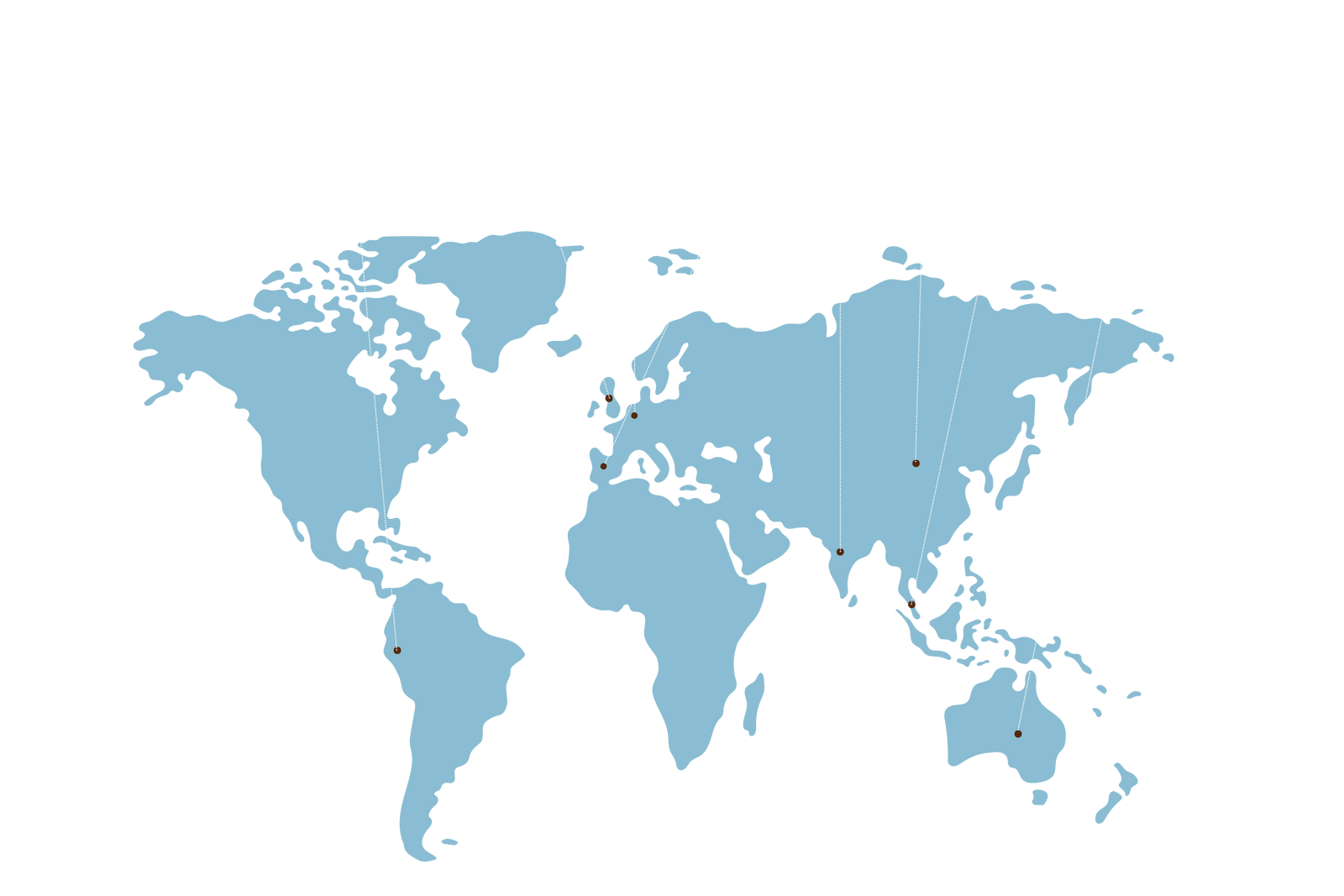
Countries which contributed to
Bringing our pieces to life
Learn about our textiles

100% Hemp
This fibre has the ability to be one of the most restorative and regenerative textiles to use within fashion. With long root systems, little need for man made irrigation and pesticides / herbicides, this fibre can be grown in a way that supports surrounding ecosystems and sequesters carbon as it grows.

Natural Tree Rubber
Natural tree rubber is extracted from the sap of trees, ours has been combined with organic cotton to bring forth a compostable and biodegradable elastic band when disposed of in the right conditions.

100% Organic Cotton
Using organic cotton means we can avoid the harsh treatment of this crop when grown conventionally with toxic pesticides and chemicals. This also reduces toxic water run off and helps support a healthier work environment for farmers + the air.
Learn about other textiles
Polyester is a synthetic fibre made from petroleum-based plastic, valued for its durability, wrinkle resistance, and affordability. It's one of the most widely used fabrics in fashion, but it's also energy-intensive to produce and doesn't biodegrade, often shedding microplastics when washed.
Rayon is a semi-synthetic fibre made from wood pulp, chemically processed into soft, breathable fabric that mimics silk or cotton. It offers a lightweight drape and good breathability, making it popular for warm-weather clothing. However, conventional rayon production can involve heavy chemical processing and deforestation-linked wood sourcing, so it's important to look for responsibly sourced alternatives.
Nylon is a strong, elastic synthetic fibre originally developed as a silk alternative, prized for its durability and resistance to abrasion. It's commonly used in activewear, hosiery, and outerwear thanks to its stretch and water resistance. Like polyester, it's petroleum-derived and slow to break down.
Elastane (also known as spandex or Lycra) is a highly stretchy synthetic fibre blended in small amounts with other fabrics to add flexibility and shape retention. It allows garments to move with the body and hold their fit over time. It's not biodegradable.
Linen is a natural fibre made from the flax plant, known for its breathability, strength, and characteristic textured drape. It can require less water and fewer pesticides to grow than cotton, making it one of the more sustainable natural fibres available. Linen softens with wear and is fully biodegradable at the end of its life.
Viscose is a type of rayon made from cellulose (usually wood pulp), valued for its silky feel, drape, and breathability at a lower cost than natural silk. It's a popular choice for flowing, lightweight garments. Conventional viscose production can be chemically intensive, so it's important to prioritise viscose made through cleaner, closed-loop processes where available.
Bamboo fabric is derived from the fast-growing bamboo plant, prized for its softness, breathability, and natural antibacterial properties. Bamboo itself grows quickly with minimal water or pesticides, making the raw material relatively sustainable. However, turning bamboo into fabric can involve intensive chemical processing, so we look for suppliers using closed-loop methods that limit chemical waste.
Polyamide is the broader chemical family that includes nylon, a synthetic fibre known for its strength, elasticity, and resistance to wear. It's commonly used in swimwear, activewear, and lingerie for its smooth, supportive stretch. As a petroleum-based synthetic, it doesn't biodegrade.
Dead-stock refers to fabric or finished garments that were produced but never sold or used - often surplus from other brands, cancelled orders, or overproduction. Using dead-stock fabric means no new raw materials are grown or manufactured for that piece, directly reducing textile waste. Because supply is limited, dead-stock pieces are typically produced in smaller, one-off batches.
Recycled polyester (often called rPET) is made by breaking down existing plastic - commonly used bottles or textile waste - and re-spinning it into new fibre. It offers the same durability and performance as virgin polyester while diverting plastic from landfill and reducing demand for new petroleum extraction. It still sheds microplastics in the wash.
Conventional cotton is a natural fibre valued for its softness, breathability, and versatility across nearly every type of garment. It's biodegradable when not combined with synthetics and widely recyclable, but conventional (non-organic) cotton farming is water- and pesticide-intensive.
Silk is a natural protein fibre produced by silkworms, prized for centuries for its softness, sheen, and elegant drape. It's biodegradable and requires no synthetic processing to reach its finished form. Traditional silk production does raise animal welfare considerations, so we look for peace silk or other cruelty-free alternatives where possible.